light does not simply illuminate a subject
it describes it
change the direction of light, and the photograph moves with it
where light comes from determines what you see—
and what you do not
direction of light shapes three things:
form — the sense of depth
texture — surface detail
separation — subject from background
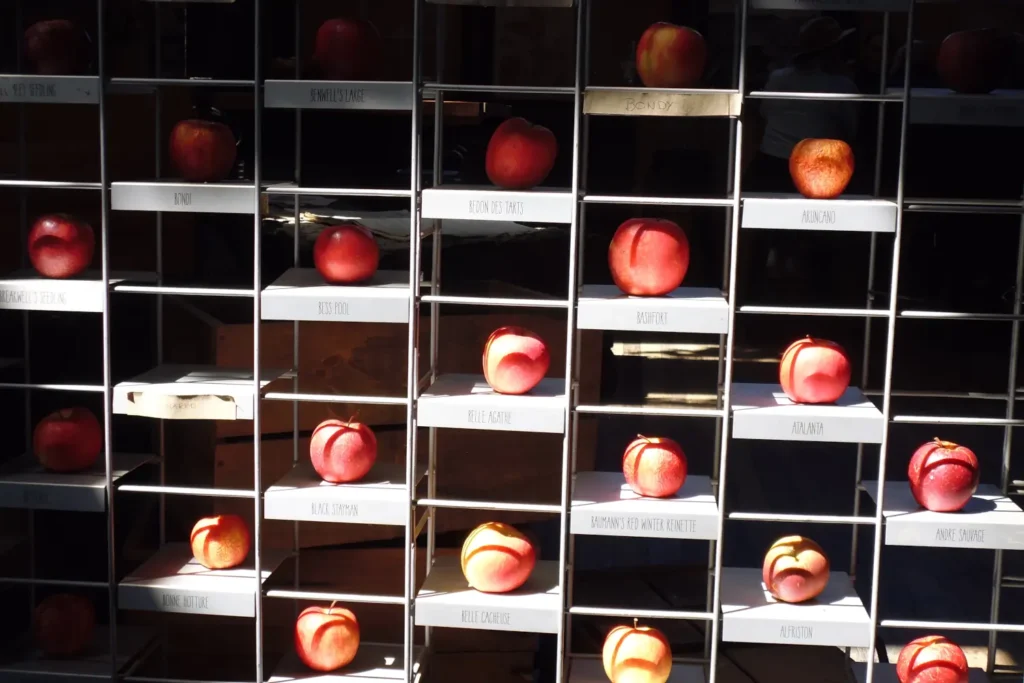
front light
light comes from behind the camera
shadows fall away from you
they are barely visible
even illumination
low contrast
minimal texture
everything is visible
very little is revealed
side light
light comes from the side of the subject
shadows stretch across the frame
form becomes visible
texture emerges
edges begin to define themselves
this is revealing light
it gives subject structure
back light
light comes from behind the subject
the front falls into shadow
edges begin to glow
the subject separates from the background
or collapses into silhouette
form simplifies
contrast increases
top light
light comes from above
shadows fall downward
eyes darken
features deepen
the face becomes uneven
this light can feel harsh
or sculptural
Under Light
light comes from below
shadows fall upward
features distort
the rendering becomes unfamiliar
this is expressive light
rare in nature
powerful when used deliberately
Diffused Light
sometimes light does not come from a clear direction
in open shade or under cloud
it appears to come from everywhere
shadows soften
contrast lowers
detail becomes gentle
direction has not disappeared
it has become harder to see
less abstract
more gounded
The Connection
direction does not exist alone.
it works with
quality (hard light and soft light)
intensity (bright vs dim)
and colour (warm vs cool)
but direction is the starting point
if you can see where light comes from
you begin to understand what it will do
The Key Shift
beginners ask
“Is the light good?”
the better question is
“where is the light coming from?”
because direction creates form
texture,
separation
and it shapes mood
not brightness
not settings
How To See It
look at a subject
find the brightest area
trace where the shadows fall
from this, you can infer the position of the light
then move a few steps
a few steps can change everything.
flat becomes sculpted
harsh becomes usable
ordinary becomes intentional
Example
look at a face lit from the side
one side is bright
the other falls into shadow
now turn the face toward the light
the shadows disappear
the face flattens
Action
turn your subject
watch how the shape changes as the light moves
if this clarified something, send it to someone else
light is not something you use
it is something you read
direction is the first sentence
it is where light comes from
how it behaves is what comes next
once you begin to recognise light, a new question appears:
how do you set your camera to match what you’re seeing?
next: estimating exposure with the sunny 16 rule
previous: hard vs soft light